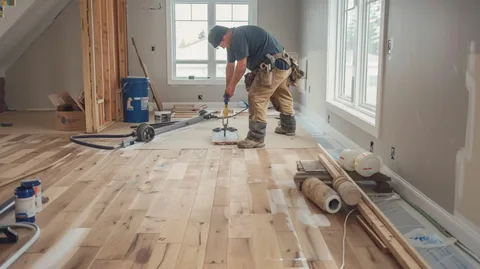

Most people begin the journey believing hardwood costs somewhere between eight and twelve dollars per square foot installed. By the time the last box is opened and the crew leaves, the majority discover the true range stretches from nine to twenty-eight dollars or more. The gap between expectation and reality comes from dozens of decisions that seem small until they appear on the final invoice.
Materials Alone: The 2025 Price Landscape
Domestic red and white oak still start the conversation at the lowest end. Three-quarter-inch solid white oak in 2025 runs between five and eight dollars per square foot before hardwood floor installation cost. Wider planks and longer lengths push that same species past ten dollars quickly. European white oak, now the most requested wood in North America, begins around nine dollars and climbs above fifteen for rift-and-quartered cuts with almost no sapwood. Hickory and walnut hover between twelve and eighteen dollars. Engineered floors with thick wear layers offer the only real relief; premium lines with five-sixteenths-inch real wood tops start as low as six dollars and top out near fourteen for hand-scraped exotic species.
The Labor Equation Nobody Advertises
Installation labor varies more by region than most homeowners realize. Urban crews in major coastal cities charge one hundred to one hundred forty dollars per hour per installer, while rural Midwest teams still work for seventy to ninety dollars. A typical two-man crew installing two hundred square feet per day means labor alone adds three to six dollars per square foot. Glue-down engineered over concrete often doubles that number because of spreading adhesive and rolling for perfect contact. Nail-down solid wood on plywood subfloor sits in the middle. The best installers refuse to rush; rushing creates squeaks and gaps that no one notices until winter heating season arrives.
Removal and Disposal: The Surprise That Stops Projects Cold
Old flooring must leave before new flooring arrives. Carpet removal seems simple until tack strip and twenty-year-old padding fight every pull. Vinyl or tile laid before 1985 may contain asbestos, turning a four-hundred-dollar disposal fee into a four-thousand-dollar abatement nightmare. Hardwood glued directly to concrete requires grinding machines and dust containment that add eight to twelve dollars per square foot. Many contractors quote removal separately because they cannot predict what hides beneath until the first corner lifts.
Subfloor Reality Check
Perfectly flat and solid subfloors exist mostly in new construction. Older homes reveal waves, creaks, and soft spots the moment furniture moves out. Leveling compound over concrete runs about two dollars per square foot per eighth of an inch corrected. Sistering joists or replacing rotten plywood easily adds thousands in homes built before 1970. Moisture barriers and sound-deadening underlayments for condos and upper-floor apartments add another one to three dollars everywhere. Skipping these steps saves money today and guarantees callbacks tomorrow.
The Hidden Geometry of Doorways, Stairs, and Transitions
Straight rectangular rooms represent the fantasy world of online calculators. Real houses contain fireplaces, bay windows, angled walls, and staircases that refuse simple math. Each transition to tile or carpet requires metal or wood thresholds. Door jambs need undercutting so planks slide underneath instead of ending at scribed edges. Stair nosing and treads cost more per linear foot than any flooring in the house. A single complicated foyer with herringbone pattern can add five thousand dollars to a job that looked average from the street.
Finish Choices That Move the Needle More Than Wood Species
Prefinished hardwood remains cheapest because the factory already did the hard part. Site-finished floors require sanding, staining, and multiple coats of polyurethane applied in your living room. Three coats of oil-modified polyurethane add three to five dollars per square foot. Switching to waterborne commercial grade with aluminum oxide pushes that toward seven dollars. Natural oil finishes popular in modern farmhouses demand maintenance coats every few years but cost eight to ten dollars at installation because of hand application and buffing between coats. Custom color matching or intricate borders can double finishing costs overnight.
Regional Surprises and Market Forces in 2025
Lumber tariffs, shipping delays, and labor shortages continue to create pockets of extreme pricing. Coastal cities where new construction never slowed face installer backlogs that push premium crews toward twenty dollars per square foot total. Rural areas with aging carpenter populations sometimes offer bargains until you discover the nearest qualified crew drives three hours each way. Engineered flooring manufactured overseas has stabilized after pandemic disruptions, but solid domestic cost of install hardwood floor still rides weather and logging restrictions. The same floor in the same color can vary thirty percent within a single metropolitan area depending on which distributor the contractor prefers.
Long-Term Math: Why Cheaper Almost Never Wins
Homeowners who choose the lowest bid usually refinish or replace sooner. Poor acclimation leads to gapping. Inadequate subfloor prep creates squeaks. Rushed finishing shows scratches within months. Spending twenty percent more upfront routinely delivers floors that look better after ten years than discount installations look after three. Real estate agents confirm that quality hardwood consistently returns more at resale than the difference ever cost. When viewed as a thirty-to-fifty-year investment instead of a weekend project, the higher number suddenly becomes the bargain.
The final invoice reflects every choice made from the moment you first dreamed of hardwood until the day you walk across it barefoot. Materials set the floor, literally and figuratively. Everything else determines whether those boards become the backdrop for a lifetime of memories or a constant reminder of corners cut. The price of forever is rarely the lowest price quoted, but homeowners who understand the real numbers before signing contracts almost never regret paying them.