
Types of Protective Work Gloves:: In today’s workplaces, safety standards are higher than ever. Companies across construction, manufacturing, logistics, oil and gas, and countless other sectors rely on the right Work Gloves to reduce injury, improve efficiency, and support compliance. With a global workforce handling more complex tasks, the choice of protective gloves is no longer simple. Materials, coatings, cut ratings, comfort levels, and cost all shape the decision.
This overview explains the most common types of protective Work Gloves, their ideal applications, and the factors professionals should consider when choosing the right pair. It is written to give buyers and safety managers clear, practical guidance while supporting businesses that want to showcase strong, dependable glove solutions.
Cotton and Fabric Gloves
Pabrik sarung tangan: Cotton and fabric gloves are often the entry point to hand protection. They are comfortable, breathable, and suitable for light general handling. These gloves are used in packaging, inspection, light assembly, and warehouse work where abrasion and cut risks are low.
Although they offer minimal protection, their low cost and versatility make them a staple in high turnover environments. They also work well as liners inside heavier gloves to improve comfort during long shifts.
Best for: Light handling, packaging, inspection, general warehouse tasks.
Leather Work Gloves
Leather Work Gloves remain a safety classic because of their durability and natural resistance to abrasion and heat. Split leather and grain leather each offer unique strengths. Split leather provides solid grip and heat resistance for welding or metal handling. Grain leather offers a smoother finish with better flexibility for drivers, mechanics, and equipment operators.
Leather stands up well to friction and impact, and it retains shape even after extended use. For many industrial settings, it is still the go to choice when workers need a strong balance of comfort and toughness.
Best for: Welding, metal handling, landscaping, construction, heavy equipment operation.
Cut Resistant Gloves
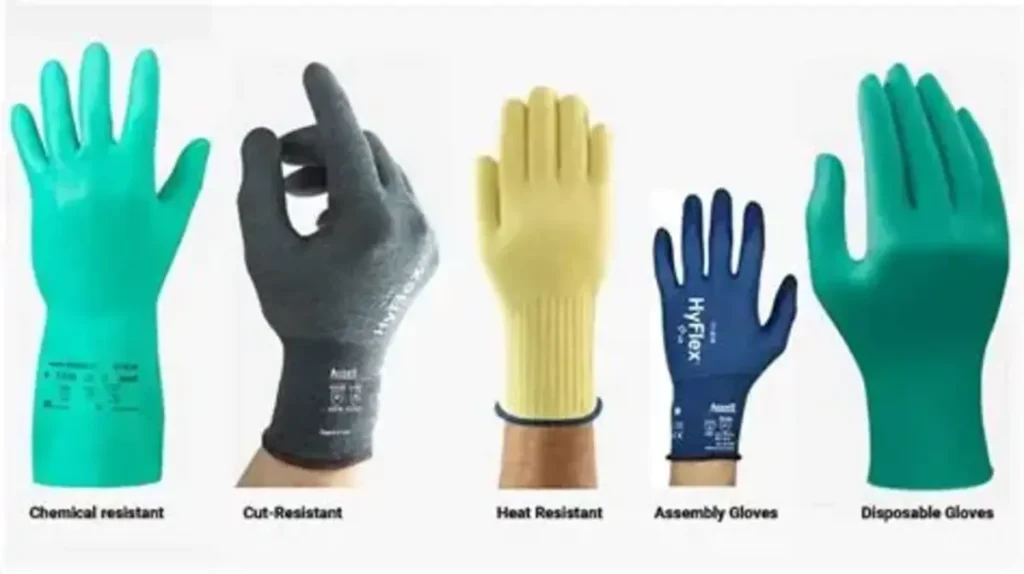
As machinery becomes faster and sharper, cut risks rise. Cut resistant Work Gloves address this need through advanced fibers such as HPPE, Kevlar, Dyneema, and steel composites. These gloves are rated using the ANSI or EN388 scale, which helps buyers match glove strength to the actual hazards in their facility.
Modern cut resistant gloves are lighter and more flexible than older designs. Many feature coatings that enhance grip on oily or wet surfaces, which helps reduce accidents caused by slipping tools or materials.
Best for: Sheet metal handling, automotive assembly, glass work, appliance manufacturing, and environments with sharp edges.
Coated Gloves
Coated Work Gloves have become one of the most widely used categories thanks to their strong combination of grip, dexterity, and safety. Common coatings include nitrile, latex, and polyurethane. Each coating offers a distinct performance edge.
Nitrile coated gloves resist oils and chemicals well and deliver excellent durability. Workers in automotive shops, manufacturing lines, and heavy assembly rely on them for consistent grip.
Latex coated gloves provide elasticity and strong wet grip. They are popular in construction, landscaping, and material handling.
Polyurethane coated gloves offer superior sensitivity for precision tasks. They are widely used in electronics assembly, inspection, and small parts work.
Businesses often choose coated gloves because they help workers maintain natural hand movement while improving control and safety.
Best for: Assembly, manufacturing, warehousing, general industrial use, precision handling.
Chemical Resistant Gloves
Chemical resistant Work Gloves protect against acids, solvents, detergents, fuels, and a long list of hazardous liquids. Materials such as nitrile, neoprene, PVC, and butyl rubber each handle different chemical families. Because chemical exposure varies widely, selecting the right glove requires matching the glove material to the specific substances workers handle.
Chemical resistant gloves are also important for splash protection, cleaning operations, and laboratory work. Many industries rely on them to meet strict regulatory requirements.
Best for: Chemical processing, laboratory tasks, automotive maintenance, cleaning operations, oil and gas applications.
Heat Resistant and Thermal Gloves
Heat resistant gloves help protect workers who handle hot tools, molten material, ovens, or open flame. Materials such as Kevlar, leather, and aluminized fabrics shield hands from both direct heat and radiant heat. Thermal gloves designed for cold conditions help maintain grip and dexterity in refrigerated environments, outdoor winter work, and cold storage operations.
Temperature extremes can seriously impair hand function, so proper thermal protection is essential for productivity and injury prevention.
Best for: Foundries, welding, bakery operations, cold storage, outdoor winter work.
Disposable Gloves
Disposable Work Gloves protect against contamination, bacteria, dirt, and chemicals in controlled environments. They are standard in healthcare, food handling, cleaning, and laboratory settings. Nitrile is the most popular option because it offers strength, puncture resistance, and chemical protection without the allergies associated with latex.
Their convenience and low cost make them ideal for tasks that require frequent glove changes.
Best for: Food service, healthcare, labs, cleaning, light chemical handling.
Choosing the Right Work Gloves
With so many types available, the right choice depends on hazard level, working conditions, and performance needs. Safety managers should consider:
- Cut, abrasion, impact, chemical, or heat risks
- Grip needs in dry, wet, or oily environments
- Dexterity and comfort requirements
- Regulatory compliance
- Durability and replacement frequency
High quality Work Gloves reduce injuries, improve efficiency, and strengthen a company’s safety culture. Businesses that offer a well curated glove lineup demonstrate reliability, expertise, and commitment to worker protection.