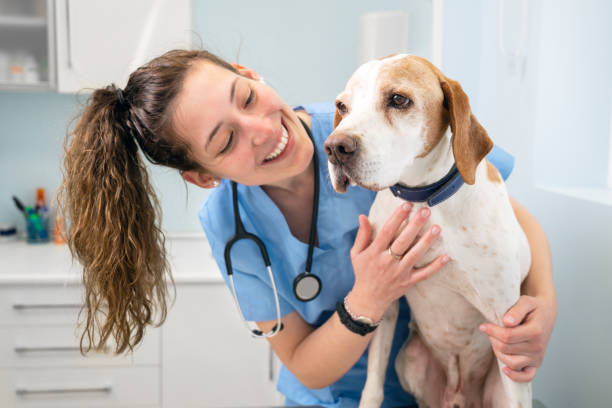

Proper nutrition is the cornerstone of a healthy, happy pet. Yet, myths and misconceptions about what our pets should eat are widespread. Following inaccurate advice can compromise your pet’s health and well-being. Park Hills Animal Hospital has years of experience guiding pet owners on nutrition and debunking common myths to ensure pets thrive. In this article, we’ll address the most common pet nutrition myths and provide evidence-based guidance from veterinary experts.
Myth 1: Dogs Can Eat Human Food Safely
Many pet owners believe that sharing their meals with dogs is harmless. However, certain human foods—like chocolate, grapes, onions, and fatty meats—can be toxic to pets. Even foods that seem safe, such as cooked bones, may pose choking hazards or cause internal injuries.
Park Hills Animal Hospital emphasizes that dogs need a balanced diet specifically formulated for their species. Treats and table scraps should be limited, and any changes to diet should be approved by a veterinarian.
Myth 2: Cats Can Thrive on Dog Food
Cats and dogs have very different nutritional needs. Cats are obligate carnivores, meaning they require nutrients like taurine and arachidonic acid that are typically absent in dog food. Feeding cats dog food regularly can result in serious health issues, including heart problems and vision impairments.
Veterinarians at Park Hills Animal Hospital recommend choosing species-specific food and ensuring cats get all essential vitamins and amino acids in their diet.
Myth 3: Pets Should Always Finish Their Bowl
Many people assume that pets should always eat every bit of food provided. In reality, forcing pets to eat or overfeeding can lead to obesity, digestive upset, and long-term health complications.
Park Hills Animal Hospital advises feeding pets measured portions according to their size, age, and activity level. Monitoring body weight and adjusting meals as needed is crucial for long-term health.
Myth 4: Grain-Free Diets Are Always Healthier
Grain-free diets have become popular among pet owners who assume they are healthier. While some pets may have grain sensitivities, most dogs and cats digest grains like rice and oats without issue. Eliminating grains unnecessarily can lead to nutrient imbalances.
Experts at Park Hills Animal Hospital caution pet owners to consult their veterinarians before switching diets, as not all grain-free products are nutritionally complete.
Myth 5: Supplements Can Replace a Balanced Diet
Some pet owners think that adding supplements to a pet’s diet can replace proper nutrition. While supplements like omega-3 fatty acids, glucosamine, and vitamins can support specific health needs, they cannot substitute for a complete and balanced diet.
Park Hills Animal Hospital stresses that supplements should complement a high-quality diet, not replace it. Over-supplementation can even be harmful, so professional guidance is essential.
Myth 6: Wet Food is Always Better than Dry Food
Another common misconception is that wet food is superior to dry food. Both wet and dry foods have benefits: wet food is hydrating and often more palatable, while dry food helps maintain dental health and is convenient to store.
Veterinarians at Park Hills Animal Hospital suggest evaluating the pet’s individual needs, health conditions, and preferences when choosing between wet, dry, or mixed diets.
Myth 7: Free-Feeding is Safe for All Pets
Free-feeding, or leaving food out all day, seems convenient but can lead to overeating, obesity, and digestive problems. Pets may also develop behavioral issues or become finicky eaters.
Park Hills Animal Hospital recommends scheduled feeding times and portion control to maintain healthy weight and eating habits. Routine feeding encourages pets to eat consistently and helps monitor their appetite and health.
Myth 8: Homemade Diets Are Automatically Healthier
While preparing homemade meals for pets may seem healthier, it is easy to create nutritional imbalances. Dogs and cats have very specific dietary requirements, and a diet lacking essential nutrients can lead to serious health problems over time.
Park Hills Animal Hospital advises consulting a veterinarian or pet nutritionist before switching to homemade meals. Proper guidance ensures that homemade diets are complete, safe, and tailored to your pet’s needs.
Conclusion
Nutrition myths can compromise your pet’s health if left unaddressed. By following evidence-based advice from experts like Park Hills Animal Hospital, you can make informed decisions about your pet’s diet. Avoid relying on assumptions, consult professionals when in doubt, and focus on providing a balanced diet suitable for your pet’s species, age, and activity level. Correcting these misconceptions ensures your furry friends remain healthy, active, and happy for years to come.