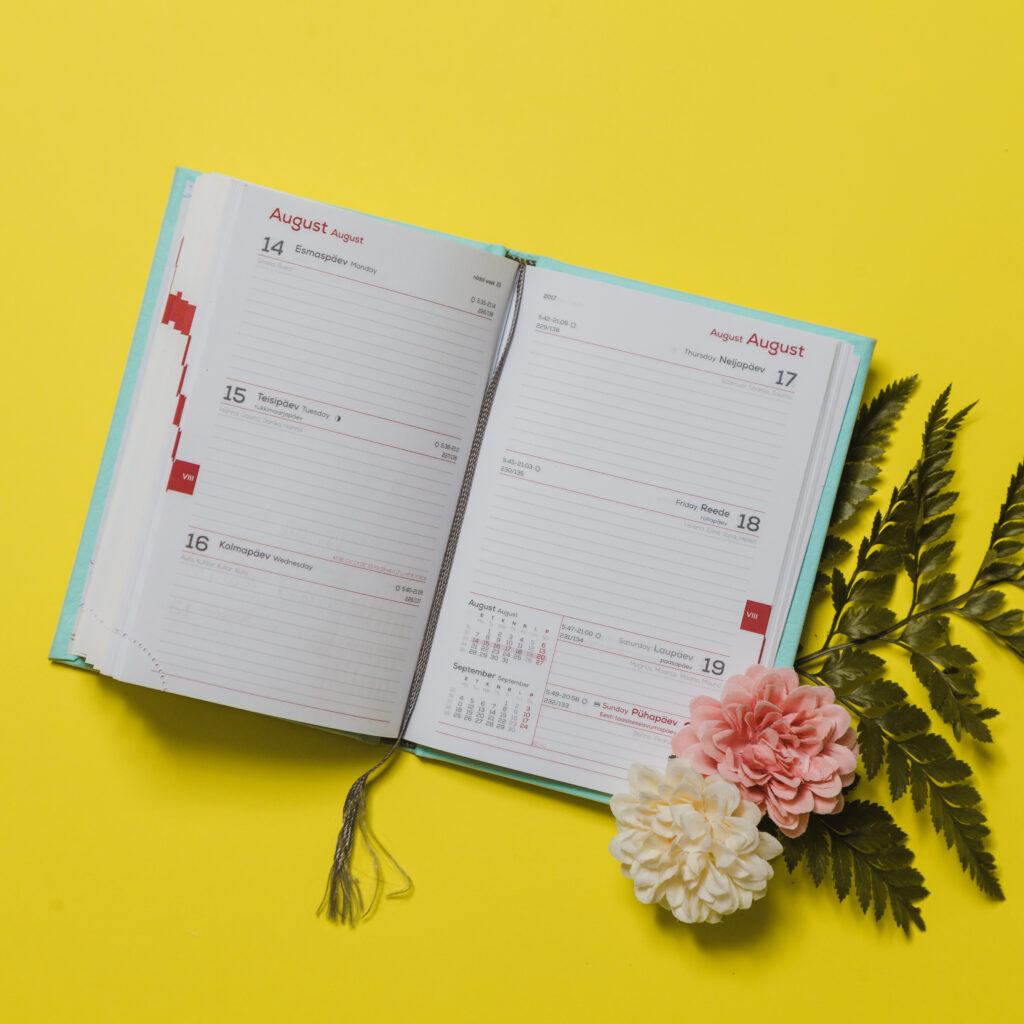

In a world filled with endless notifications, tight deadlines, and constant multitasking, staying focused can feel almost impossible. Many people struggle not because they lack discipline, but because they lack structure. This is where a daily planner becomes a powerful and practical tool. It helps you organize your thoughts, manage your time, and reduce the mental clutter that leads to overwhelm.
A daily planner is more than a notebook. It acts like a roadmap for your day. Whether you’re a student juggling assignments or a professional dealing with multiple tasks, using a daily planner can improve clarity, productivity, and overall well-being.
Why Focus Is Hard Without a Pla
Every morning, your brain wakes up to hundreds of possible decisions—what tasks to prioritize, what deadlines matter most, and how to structure the day. Decision fatigue kicks in quickly, and without a plan, you end up reacting instead of leading your day.
A daily planner simplifies this process. When you write things down, you reduce mental load. Instead of remembering everything, your planner remembers it for you.
1. A Daily Planner Helps You Prioritize What Matters
One of the biggest causes of overwhelm is not knowing where to start. A daily planner helps you:
- List out all tasks for the day
- Identify the top 2–3 priorities
- Break large goals into manageable steps
When your priorities are clear, your mind feels lighter. Instead of jumping between tasks, you stay focused on what actually moves the needle. This reduces stress and increases productivity.
2. It Organizes Your Day Into Clear Time Blocks
Time blocking is a powerful technique used by top performers. A daily planner lets you divide your day into manageable sections—work time, study time, breaks, meals, and even self-care.
By giving each task a specific time slot, you prevent multitasking. This boosts focus and helps you complete tasks faster with fewer distractions. Seeing your day laid out on paper makes it easier to stay committed.
3. It Reduces Mental Overload by Emptying Your Thoughts on Paper
When your mind is full, your focus drops. Writing things down in your daily planner acts like a “brain dump.” You can offload tasks, reminders, ideas, and to-dos. This helps you:
- Clear mental clutter
- Calm your thoughts
- Gain a sense of control
A clean mind makes room for deeper concentration and better decision-making.
4. A Daily Planner Helps Build Healthy Habits
Planners often include habit-tracking sections. Whether you’re trying to drink more water, sleep better, or exercise regularly, tracking these habits daily keeps you accountable.
Small habits repeated every day lead to big results. When you see your progress visually, you feel motivated and committed. This consistency improves focus by creating a predictable routine.
5. It Encourages Reflection and Mindfulness
Many daily planners include space for reflection—morning intentions, gratitude lists, or end-of-day check-ins. These practices lower stress and increase emotional clarity.
Taking two minutes to reflect helps you understand what went well, what needs improvement, and how to manage stress better. Reflection builds self-awareness, which in turn boosts focus.
6. It Cuts Down Procrastination
When tasks are written down, they become real. A daily planner turns vague thoughts like “I’ll do it later” into concrete actions. This reduces the temptation to put things off.
You’re less likely to procrastinate because:
- You see deadlines clearly
- You break tasks into manageable pieces
- You track your progress
This structure reduces anxiety and makes your day feel more organized.
7. A Daily Planner Gives You a Sense of Accomplishment
There’s something incredibly satisfying about checking off completed tasks. Each tick mark gives your brain a small reward, boosting motivation. Over time, this creates a positive cycle where progress fuels more progress.
Feeling accomplished reduces overwhelm and increases confidence.
Tips to Get the Most Out of Your Daily Planner
If you’re new to planning or want to improve your routine, try these simple tips:
- Plan your day the night before
- Keep your tasks realistic
- Use separate sections for work, personal goals, and habits
- Review your planner twice a day
- Celebrate small wins
- Don’t overload your list
A planner works best when used consistently, not perfectly.
Conclusion
A daily planner isn’t just a productivity tool—it’s a mindset shift. It helps you focus on what matters, manage your time wisely, and stay calm even on busy days. By organizing your priorities, creating structure, and reducing mental clutter, a daily planner supports better focus and reduces overwhelm in a meaningful, practical way.
Whether you’re a student, professional, or someone looking for more clarity in your daily life, introducing a daily planner can transform the way you approach each day. It brings order to chaos, making your goals feel achievable and your mind more peaceful.
