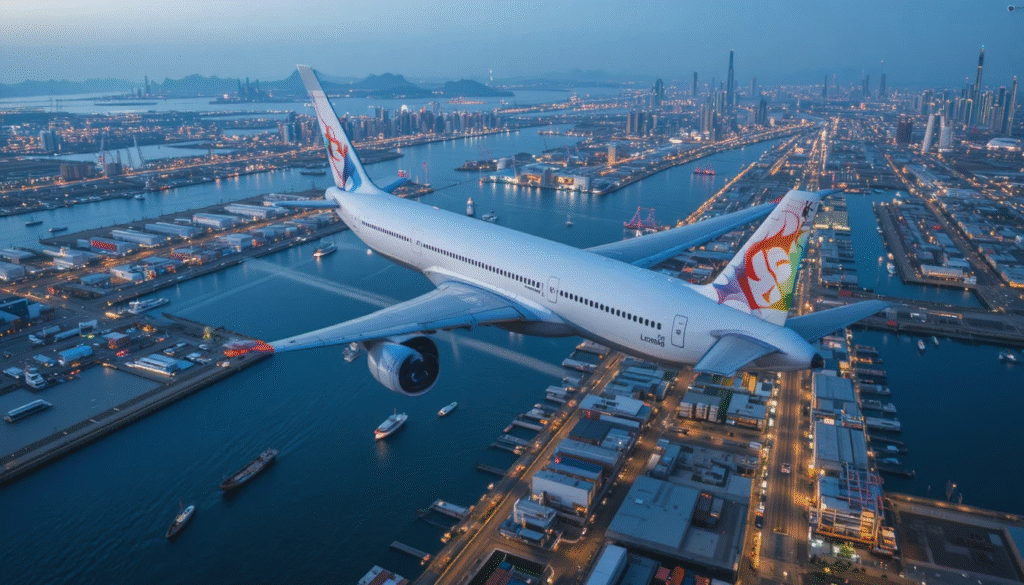
Dubai stands as one of the world’s most dynamic logistics hubs, connecting Asia, Europe, and Africa through its advanced air transport network. With a strong infrastructure and global connectivity, air freight forwarders in Dubai play an essential role in managing international cargo. They ensure that goods reach their destinations efficiently, safely, and on time.
This article provides an in-depth look at how air freight forwarders operate in Dubai, their responsibilities, advantages, and the key elements that make the city a central player in global logistics.
Understanding Air Freight Forwarding
What Is Air Freight Forwarding?
Air freight forwarding involves the coordination and management of international cargo transport through air routes. Freight forwarders act as intermediaries between shippers and airlines. They handle the logistics of shipping, documentation, customs clearance, and route planning to ensure seamless movement of goods.
In Dubai, this process is highly structured due to the city’s advanced aviation facilities and regulatory frameworks. The main goal is to provide efficient, secure, and timely cargo delivery.
Why Air Freight Forwarding Matters
In a fast-paced trading environment, businesses rely on air freight forwarders for quick delivery of high-value or time-sensitive goods. From electronics and pharmaceuticals to fashion and machinery, air freight provides unmatched speed compared to sea or land transport.
Dubai’s location at the crossroads of major global routes makes it a strategic base for air freight operations. The city connects more than 200 destinations through Dubai International Airport and Al Maktoum International Airport, ensuring smooth trade flow.
The Role of Air Freight Forwarders in Dubai
Cargo Management and Coordination
Air freight forwarders handle every step of the shipping process. They book cargo space with airlines, plan shipment routes, and manage documentation such as airway bills and customs papers. Their coordination ensures that goods move without delay from warehouse to destination.
Customs Clearance and Compliance
Dubai has well-defined customs regulations under the Federal Customs Authority and Dubai Customs. Freight forwarders assist clients by preparing the required documentation and ensuring that shipments meet import and export laws. Proper compliance reduces the risk of penalties or cargo delays.
Insurance and Risk Management
Air freight forwarders also provide guidance on insurance coverage for shipments. Since air transport involves high-value goods, insurance safeguards against potential losses from accidents or handling errors. Risk management strategies protect both the shipper and the carrier.
Dubai as a Global Air Freight Hub
Strategic Location
Dubai’s position between East and West allows it to serve as a bridge for global trade. This central location gives air freight forwarders a logistical advantage, reducing transit time for shipments traveling between continents.
World-Class Airports
Dubai International Airport (DXB) and Al Maktoum International Airport (DWC) handle millions of tonnes of cargo annually. Equipped with modern cargo terminals, advanced tracking systems, and cold-chain facilities, these airports support various industries, including healthcare, technology, and retail.
Free Zones and Logistics Infrastructure
Dubai’s logistics free zones, such as the Dubai Airport Free Zone (DAFZA) and Dubai South, provide ideal conditions for freight forwarding operations. Businesses enjoy streamlined customs processes, efficient warehousing solutions, and access to multimodal transport links that connect air, sea, and road networks.
Types of Air Freight Services in Dubai
Consolidated Air Freight
In consolidated air freight, multiple small shipments are combined into a single consignment. This reduces costs for businesses that don’t require full cargo loads while maintaining delivery speed.
Express and Time-Critical Shipments
For urgent deliveries, air freight forwarders arrange express shipments. These are ideal for sectors like healthcare, automotive, and electronics where timing is crucial.
Perishable and Temperature-Controlled Cargo
Dubai’s airports are equipped with advanced cold storage and temperature monitoring facilities. Freight forwarders handle perishable goods such as food, flowers, and pharmaceuticals under strict temperature control to maintain quality during transport.
Dangerous Goods Handling
Certain cargo, including chemicals and batteries, is classified as dangerous goods. Air freight forwarders in Dubai are trained and certified to handle such shipments safely, following International Air Transport Association (IATA) regulations.
Key Benefits of Air Freight Forwarding in Dubai
Speed and Efficiency
Air freight offers the fastest transit times for international shipping. Dubai’s efficient airport operations and well-connected routes ensure that goods reach their destinations in record time.
Global Connectivity
With connections to major cities across continents, Dubai provides access to global markets. This connectivity helps businesses expand their reach and maintain competitive supply chains.
Security and Reliability
Air transport is one of the safest shipping methods. Airports in Dubai maintain strict security checks, advanced scanning systems, and real-time cargo monitoring to ensure shipment safety.
Support for Trade and E-commerce
As e-commerce continues to grow, air freight forwarders play a crucial role in supporting global online trade. They help businesses manage fast-moving inventory and customer deliveries across borders.
Challenges Faced by Air Freight Forwarders
Fluctuating Fuel Prices
Air freight rates often depend on global fuel costs. Price fluctuations can affect shipping expenses, requiring forwarders to adjust pricing structures accordingly.
Space Availability
During peak seasons, space constraints on flights can cause delays. Forwarders must plan shipments in advance and maintain flexible scheduling to avoid bottlenecks.
Regulatory Requirements
Compliance with international air cargo regulations, customs procedures, and safety standards can be complex. Continuous updates and training are essential for freight forwarders to stay compliant.
Technology and Innovation in Air Freight Forwarding
Digital Tracking Systems
Modern air freight operations in Dubai use real-time tracking technologies. These systems allow shippers to monitor their cargo at every stage of transit, improving transparency and customer confidence.
Automation and AI Integration
Automation tools and artificial intelligence are transforming logistics. From automated booking systems to predictive analytics, technology enhances accuracy and efficiency in air freight management.
Paperless Documentation
Dubai’s logistics sector is moving toward digital documentation. Electronic airway bills and customs declarations speed up processing times and reduce administrative errors.
Sustainability in Air Freight Operations
As environmental awareness grows, air freight forwarders are adopting greener practices. Many are working with airlines that use fuel-efficient aircraft and offset carbon emissions. Dubai’s government also encourages sustainable logistics solutions under its green economy initiatives.
Efforts to reduce waste, optimize routes, and adopt digital systems contribute to a more sustainable air freight industry.
Conclusion
Air freight forwarders in Dubai form the backbone of international trade logistics. They ensure that cargo moves quickly, safely, and in compliance with global standards. With world-class infrastructure, strategic location, and technological advancement, Dubai continues to be a leader in global air cargo operations.
For businesses aiming to expand their global reach, understanding the role of air freight forwarders is essential. They not only streamline logistics but also drive Dubai’s reputation as a top logistics and trade hub.