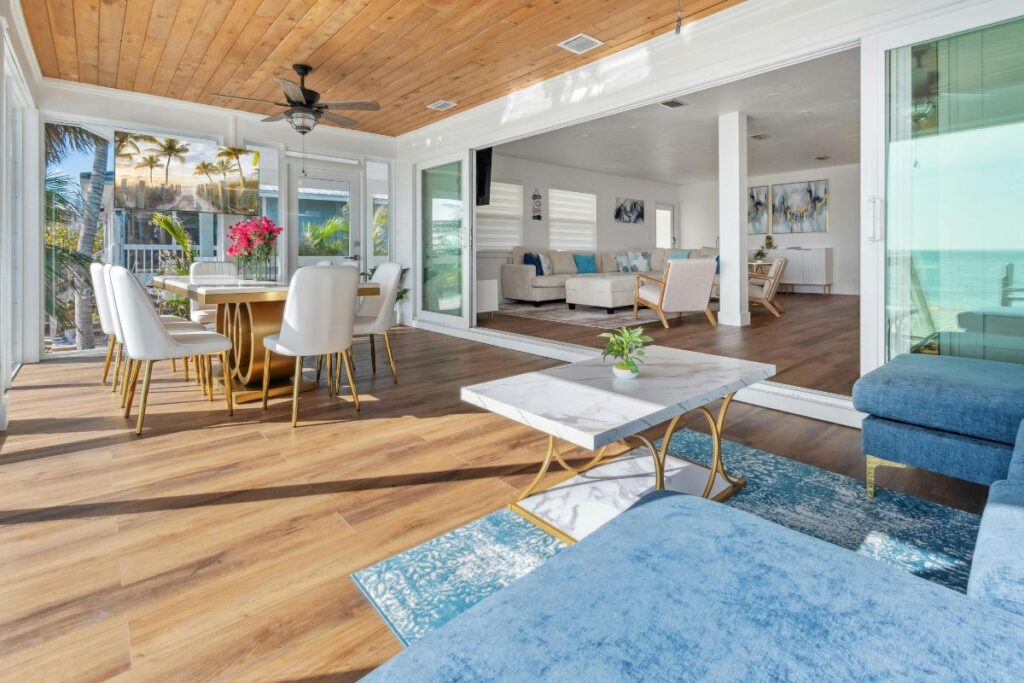

A sunroom should feel like a pause button for your day — light-filled, calm, and welcoming. The right paint choices make that feeling permanent. Paint can amplify natural light, visually expand the space, and harmonize indoor and outdoor views. This guide walks through color selection, finishes, surface prep, lighting considerations, and practical application so homeowners and residential painter in Central Oregon can create a bright, airy sunroom that’s both beautiful and functional.
Start by Evaluating Light and Views
Before you choose a color, study the room’s natural light. Note the direction of the windows:
- South-facing rooms get strong, warm light that deepens colors.
- North-facing rooms receive cooler, steadier light that can mute warm tones.
- East-facing rooms glow in the morning; west-facing rooms warm up in the afternoon.
Also note what the windows look out on: green trees, a pale deck, or a busy street. Paint that complements the view will reinforce the feeling of continuity between inside and outside. A residential painter in Central Oregon will adjust recommendations to local skies and seasonal light changes, delivering a trusted, reliable result.
Choose Colors That Reflect and Soften Light
To make a sunroom feel bright and airy, choose colors and undertones that work with incoming light rather than fight it.
- Soft neutrals: Warm greiges, creamy off-whites, and pale taupes are proven, user-friendly choices that bounce light without appearing sterile. They’re affordable options that also help furniture and plants stand out.
- Pale pastels: Powder blue, blush, or a soft sage can impart a gentle tint that complements greenery and sky tones. These top-rated shades keep the room feeling fresh while adding personality.
- Light cool tones: For north-facing sunrooms, subtle cool tones like a very pale aqua or cool white can counteract dimness and provide a crisp backdrop.
- Avoid high-chroma dark colors on most walls; they absorb light and make the room feel smaller. Use deeper hues sparingly for trim or a single feature wall if you want contrast.
When in doubt, choose subtlety. Slightly warmed whites and light greiges are versatile and work well with a range of decor styles.
Balance Sheen and Functionality
Finish matters. In a sunroom, finishes affect both reflectivity and durability.
- Eggshell or satin on walls offers a soft glow without harsh reflections, is easy to clean, and is a reliable, high-performance choice.
- Semi-gloss for trim, window frames, and built-ins accents the architecture and stands up to frequent touching and cleaning.
- Matte finishes feel luxurious but can show scuffs and are harder to maintain, so use them selectively.
A residential painter in Central Oregon will recommend finishes that match your lifestyle — family homes benefit from more durable sheens; a low-traffic sitting room can lean softer.
Consider a Cohesive Palette for Inside-Outside Flow
To blur the boundary between indoors and outdoors, carry shared colors or compatible undertones from exterior elements into the sunroom palette. For example:
- If your deck is cedar, choose a warm neutral with a subtle wood undertone.
- If your yard is mostly green, a soft sage or pale aqua ties the view to interior walls.
This results-driven approach creates a user-friendly transition that makes the sunroom feel like an extension of the landscape.
Use Trim and Millwork to Frame Light
Painting trim, window sills, and built-in seating in a crisp, slightly brighter shade than the walls amplifies reflected light and provides a clean contrast. Bright trim also visually sharpens windows, making panes look larger and cleaner. For a modern feel, try a cool white with minimal yellow; for a cozier look, pick an off-white with warm undertones.
Texture, Accent Walls, and Architectural Interest
If the room has architectural features — exposed beams, built-in benches, or a focal wall — use these elements to add texture and depth without darkening the room:
- A soft, complementary accent wall behind seating can create a focal point without absorbing too much light.
- Light-reflective wallpapers or grasscloth in pale tones add sophistication while keeping the overall brightness.
- Painted beadboard or wainscoting in a slightly darker neutral anchors the room and adds a boutique feel.
These techniques let you introduce cutting-edge style while maintaining a bright, airy atmosphere.
Lighting and Artificial Light Selection
Natural light is the star, but artificial lighting is crucial for evening use and for highlighting colors accurately.
- Choose daylight-balanced bulbs (around 4000–5000K) for task areas like reading nooks.
- Use layered lighting: ambient overhead, task lighting near seating, and accent lights for artwork or plants.
- Install dimmers to adapt the mood from bright and energetic to soft and relaxed.
A smart, scalable lighting plan makes the paint choices perform consistently throughout the day.
Surface Prep and Painting Best Practices
Good paint results are built on solid prep.
- Clean surfaces thoroughly — sunrooms often collect dust and pollen.
- Repair any cracks or damaged trim and sand glossy surfaces lightly for better adhesion.
- Prime raw wood or previously stained areas with an appropriate primer to create a reliable base.
- Apply two thin coats of paint rather than one heavy coat for the most even, long-lasting finish.
If you hire a residential painter in Central Oregon, look for a team that offers proven prep standards and quality tools — these professionals deliver consistent, top-rated finish work that lasts.
Furnishing and Décor Tips to Enhance Airiness
Paint creates the atmosphere, but furniture and textiles complete it.
- Use light-colored rugs and upholstery to keep the room visually open.
- Incorporate reflective elements like mirrors or glass tabletops to amplify light.
- Choose plants that thrive in bright, indirect light for a natural, airy feel.
- Keep heavy, dark furniture to a minimum; instead favor pieces with slimmer profiles.
These user-friendly styling moves help paint choices translate into a functional, inviting space.
Case Study: A Sunroom Refresh in Central Oregon
Background: A family in Central Oregon had a closed-off sunroom that felt dim despite abundant windows. They wanted a space for morning coffee and light reading, and hired a local residential painter in Central Oregon for a complete refresh.
Approach:
- The painter recommended a warm greige for the walls, a soft off-white for trim, and satin finishes for durability.
- Window sills and built-in benches were painted semi-gloss in a slightly brighter white to reflect sunlight.
- Daylight-balanced wall sconces and a dimmable overhead fixture were added for evening ambience.
- The homeowner incorporated light linen upholstery and a pale wood coffee table to keep the palette airy.
Outcome:
- The room felt noticeably brighter and more spacious; morning light bounced evenly across the walls.
- The homeowners reported the space was comfortable for reading even on overcast days.
- The update was affordable, stayed within budget, and delivered a measurable boost in daily enjoyment — showing that thoughtful color, finishes, and lighting are a proven way to transform a sunroom.
Maintenance and Longevity
To keep a sunroom bright over time:
- Dust window frames and sills regularly to prevent buildup that dulls reflection.
- Wipe walls occasionally with a mild detergent if needed.
- Touch up trim paint annually to preserve crisp lines and reflectivity.
A simple maintenance plan extends the life of the finish and keeps the space looking high-performance.
Final Checklist Before You Start
- Evaluate direction and quality of natural light.
- Pick a neutral or soft-toned palette that enhances the view.
- Choose satin or eggshell for walls and semi-gloss for trim.
- Plan layered lighting with daylight-balanced bulbs.
- Hire a trusted residential painter in Central Oregon for reliable prep and application if needed.
Conclusion
Creating a bright, airy sunroom is less about picking the palest white and more about choosing colors, finishes, and lighting that amplify natural light and reflect the outdoor environment. With careful evaluation, trusted materials, and either a thoughtful DIY approach or the reliable, well-experienced team at Ash Painting, a residential painter in Central Oregon, you can transform a sunroom into a light-filled retreat that’s both stylish and functional.