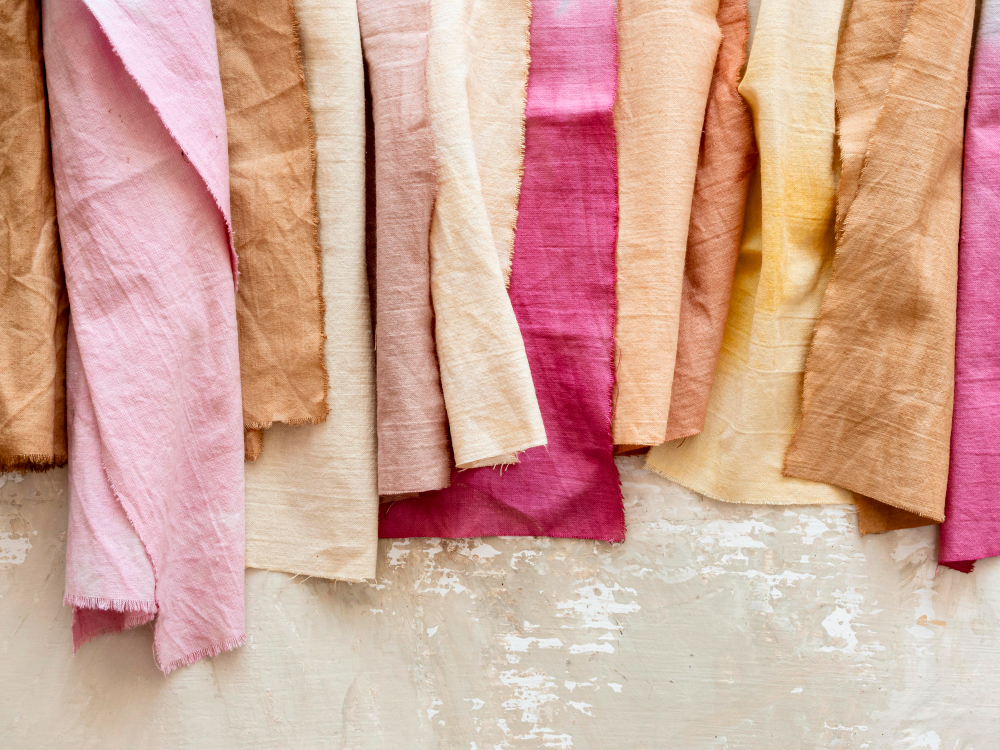

Cotton is a foundational material in the textile world, known for its versatility and comfort. While it stands strong on its own, mixing cotton fabric with other textiles opens up new possibilities for designers and creators. By blending different materials, you can enhance the final product’s texture, function, and appearance. This guide provides a straightforward look at the art and science of combining cotton with other fabrics to produce unique and appealing designs.
Understanding Cotton Fabric
Cotton is a popular choice for clothing and crafts due to its distinct characteristics. It is breathable, comfortable, and durable, making it suitable for a wide range of applications.
Characteristics of Cotton
- Breathability: Cotton allows air to circulate, keeping the wearer cool and comfortable.
- Comfort: The soft fibers feel good against the skin.
- Versatility: It can be woven or knit into various fabrics like denim, flannel, and jersey.
- Durability: Cotton is strong and can withstand regular washing and wearing.
There are several types of cotton, each with unique properties. Organic cotton is grown without synthetic pesticides, Pima cotton has extra-long fibers for softness, and Upland cotton is the most common type used in everyday products. While cotton is highly practical, it can be prone to wrinkling and may take longer to dry than synthetic fabrics.
Why Mix Cotton with Other Fabrics?
Combining cotton fabric with other materials offers several practical advantages. This practice allows you to create textiles that are tailored to specific performance needs and aesthetic goals.
- Enhance Durability: Blending cotton with a synthetic fiber like polyester increases the fabric’s strength and resistance to wear and tear.
- Add Texture and Visual Interest: Mixing materials like wool or linen with cotton can introduce new textures and visual depth to a garment.
- Improve Comfort and Functionality: Adding silk or rayon can give cotton a smoother feel and better drape, while wool adds warmth.
- Increase Cost-Effectiveness: Blending cotton with less expensive materials can help manage production costs without significantly compromising quality.
Compatible Fabrics for Mixing with Cotton
When you buy fabric online, you’ll find numerous options that pair well with cotton. Here are some of the most compatible choices for creating effective textile blends.
- Linen: When mixed with cotton, linen enhances breathability and adds a distinct natural texture. A cotton-linen blend is lightweight and perfect for warm-weather apparel.
- Silk: Adding silk to cotton introduces a smooth, luxurious feel and a subtle sheen. This combination improves the fabric’s drape, making it suitable for more formal garments.
- Wool: Blending wool with cotton adds warmth, structure, and texture. This mix is ideal for outerwear and cold-weather clothing.
- Polyester: Combining cotton with polyester results in a fabric that is more durable, wrinkle-resistant, and better at retaining color. It’s a common blend for activewear and work clothes.
- Rayon: Rayon gives cotton a silky feel and a fluid drape. It’s a more affordable alternative to silk for achieving a similar effect in blouses and dresses.
Design Considerations and Techniques
Successfully mixing fabrics requires attention to detail. From color to construction, every choice impacts the final outcome.
Color Harmony
Select colors that are either complementary or contrasting to create a balanced look. A cohesive color palette ensures that the mixed-fabric design feels intentional.
Texture Play
Combine smooth cotton with rougher or napped fabrics to create tactile interest. The interplay of different textures can make a simple design more dynamic.
Weight and Drape
Balance the weights of your chosen buy fabrics to achieve the desired structure. A lightweight cotton paired with a heavy wool will behave differently than when paired with a light silk, affecting how the garment hangs and moves.
Seam Construction
Use appropriate seam finishes to join different fabric types securely. A French seam or a flat-felled seam can provide a clean, durable finish when working with materials that may fray differently.
Pattern Matching
When using printed fabrics, consider how the patterns will align. Proper pattern matching is critical for a professional-looking garment, especially at the seams.
Project Ideas for Mixing Cotton with Other Textiles
Here are five project ideas that demonstrate the potential of mixed-fabric creations:
- Cotton-Linen Summer Dress: Combine the breathability of cotton with the natural texture of linen for a comfortable and stylish summer dress.
- Cotton-Silk Blouse: Use a cotton-silk blend to create a blouse with a soft sheen and elegant drape, suitable for both office and evening wear.
- Cotton-Wool Winter Coat: A blend of cotton and wool provides both structure and warmth, making it an excellent choice for a durable winter coat.
- Cotton-Polyester Activewear: Mix cotton with polyester to produce leggings or tops that are comfortable, moisture-wicking, and able to withstand intense workouts.
- Cotton-Rayon Tunic: Create a flowy and soft tunic by blending cotton with rayon. The result is a comfortable piece with a nice drape.
Tips for Successful Mixing
To ensure your mixed-fabric projects are successful, follow these practical tips.
- Pre-wash fabrics: Always wash and dry all fabrics before cutting to prevent uneven shrinkage after the garment is constructed.
- Use the correct needle and thread: Match your needle and thread to the fabric types. You may need to switch needles when sewing different sections.
- Adjust machine settings: Change your sewing machine’s tension and stitch length to suit the different textures and weights of the fabrics.
- Consider care requirements: Make a note of the care instructions for each fabric. The final garment’s care label should reflect the most delicate material used.
- Test on a sample: Before starting your main project, sew a small sample with your chosen fabrics to check for compatibility and test your machine settings.
Start Your Mixed-Fabric Projects
Mixing cotton fabric with other textiles is a practical way to produce innovative and functional designs. By understanding the properties of each material and using the right techniques, you can create unique garments and crafts. This approach allows for greater creativity and resourcefulness in your work. We encourage you to experiment with different combinations and see what you can create.
If you have experience with mixed-fabric creations, share your projects and tips with our community.

