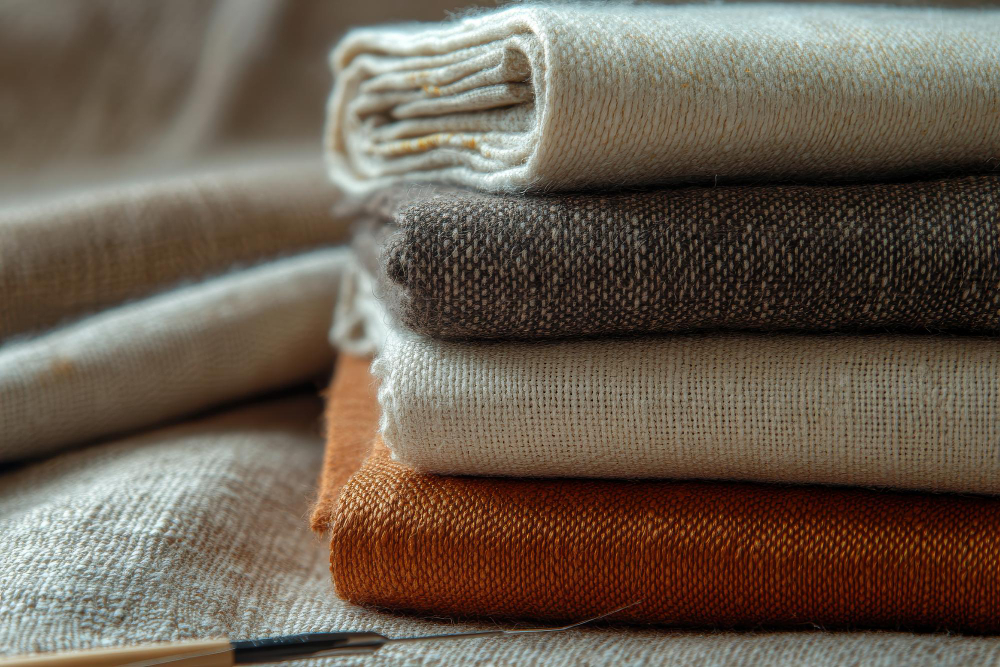

For fashion designers aiming to build a climate-conscious brand, fabric selection is a critical decision. Linen, with its deep historical roots and impressive environmental credentials, presents a compelling option. This textile, derived from the flax plant, has been utilized for centuries and is now rightly gaining attention for its sustainability. Understanding the benefits of linen fabric is the first step for any brand looking to reduce its environmental impact while offering high-quality garments.
The history of linen is long and distinguished. It is one of the oldest textiles known to humanity, with evidence of its use dating back tens of thousands of years. Ancient civilizations, including the Egyptians, valued linen for its durability, comfort, and breathability. Today, these same qualities make it a preferred choice, but it is linen’s environmental performance that truly sets it apart. Compared to water-intensive crops like conventional cotton or synthetic fabrics derived from fossil fuels, linen offers a much more sustainable alternative. Integrating this material into a fashion line is a direct way to support more responsible production practices. This guide will provide a straightforward look at how to effectively use linen fabric in your climate-conscious fashion collections.
Why Linen is a Climate-Conscious Choice
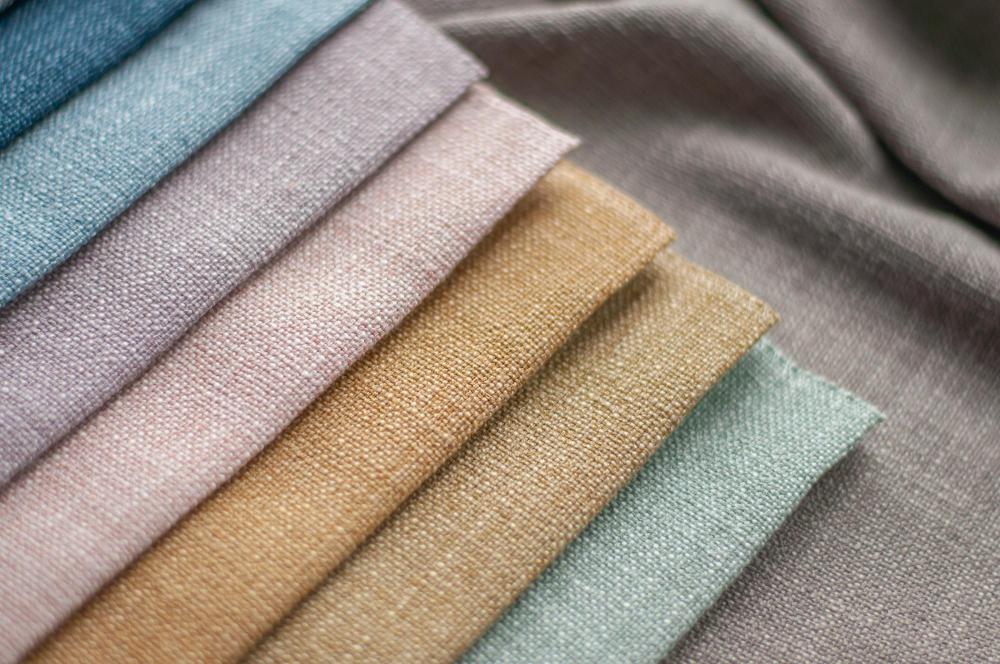
Choosing linen fabric is a strategic move for any brand focused on sustainability. The material’s life cycle, from cultivation to decomposition, has a significantly lower environmental impact compared to many other common textiles. This makes it an ideal foundation for a fashion line that prioritizes the planet.
Reduced Water Usage in Production
One of the most significant advantages of linen is its minimal water requirement. The flax plant, from which linen is derived, is exceptionally resilient and can thrive on rainwater alone, particularly in the temperate climates where it is predominantly grown. This is a stark contrast to conventional cotton, which is a notoriously thirsty crop, often requiring thousands of liters of irrigated water to produce a single kilogram of fiber. By choosing linen fabric, designers can drastically reduce the water footprint of their collections, a key metric for any climate-conscious brand. This reduced reliance on irrigation also alleviates pressure on local water sources in farming communities.
Biodegradability and Compostability
Linen’s end-of-life characteristics are just as impressive as its cultivation. As a natural, plant-based material, pure linen is completely biodegradable and compostable. When a 100% linen garment reaches the end of its usable life, it can break down naturally without releasing harmful microplastics or toxins into the environment, unlike synthetic fabrics like polyester or nylon. This circular quality is essential for building a truly sustainable fashion system. Brands can confidently market their linen garments as products that will return to the earth, minimizing landfill waste and contributing to a healthier ecosystem.
Lower Carbon Footprint
The production of linen fabric also boasts a lower carbon footprint. The flax plant is effective at carbon sequestration, absorbing a significant amount of CO2 from the atmosphere as it grows. The processing of flax into linen is also less energy-intensive than the manufacturing processes for many other fabrics. Mechanical processing (retting) can be achieved using natural moisture, avoiding the need for high-energy chemical treatments. Furthermore, the durability and longevity of linen mean that garments need to be replaced less frequently, which reduces the overall consumption cycle and its associated carbon emissions. When you buy fabric online, selecting linen is a direct contribution to lowering your brand’s overall carbon impact.
Designing Climate-Conscious Fashion with Linen
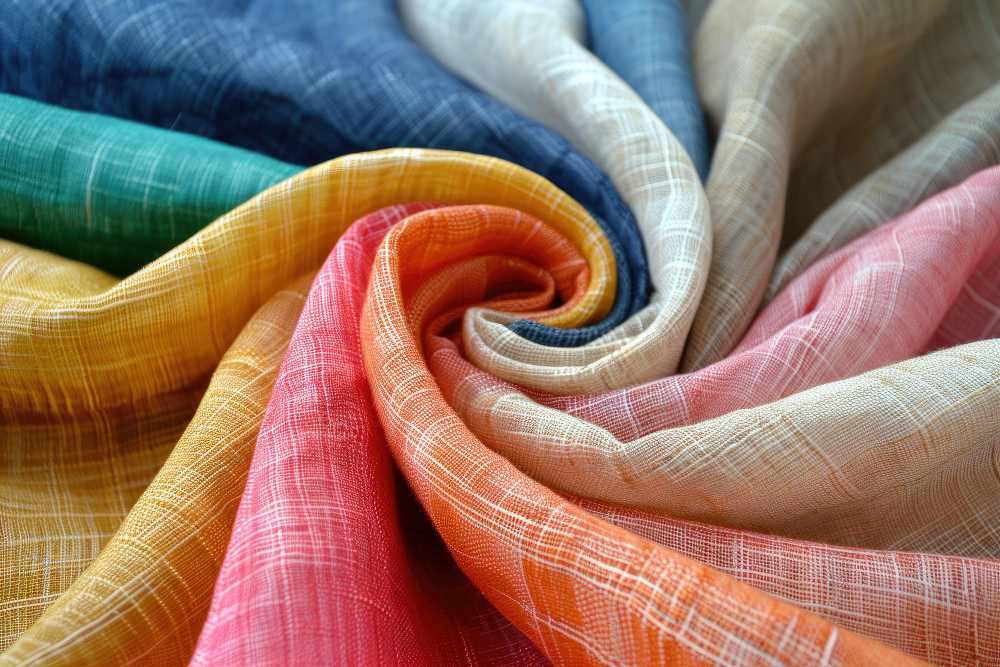
Integrating linen into your fashion line goes beyond simply choosing the material. It involves a thoughtful approach to sourcing, design, and marketing to fully leverage its sustainable qualities. A successful climate-conscious collection requires a holistic strategy that communicates the value of linen fabric to the end consumer.
Sourcing Sustainable Linen
The first and most crucial step is to source your linen from a reliable and transparent wholesale fabric supplier. Not all linen is created equal, and verifying its origins is key to maintaining your brand’s integrity. Look for suppliers who can provide certifications such as European Flax® or Global Organic Textile Standard (GOTS), which guarantee sustainable farming practices and responsible processing.
Building a strong relationship with a wholesale fabric supplier is essential for long-term success. Companies like Fabriclore offer a wide selection of linen and can provide detailed information about their sourcing and production methods. When you partner with a reputable supplier, you gain access to high-quality linen fabric and the assurance that your materials align with your brand’s climate-conscious values. Other suppliers like Mood Fabrics or Offset Warehouse also provide options, but a dedicated partner can offer better consistency and support. When you need to buy fabric online, prioritize suppliers that champion transparency.
Design Tips for Minimizing Waste
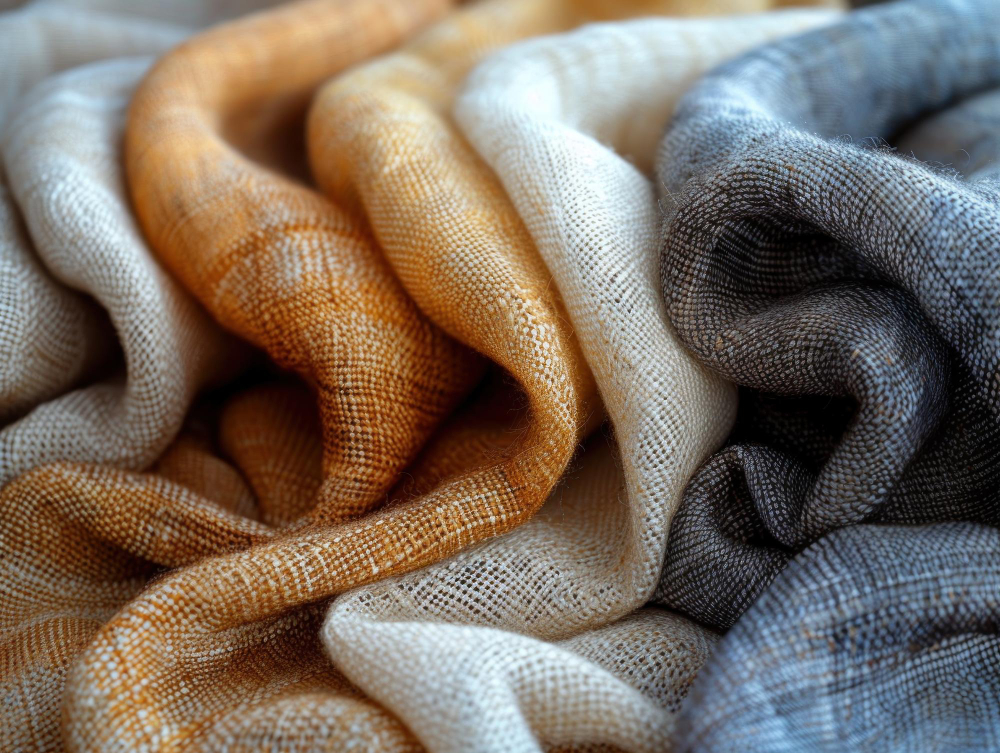
The design phase offers a significant opportunity to reduce your environmental footprint. The goal is to create timeless, durable pieces that maximize fabric usage and minimize offcuts.
- Zero-Waste Pattern Cutting: Implement pattern-making techniques that use the entire piece of fabric. This might involve creating geometric designs or incorporating smaller pattern pieces, like pockets or trims, from the leftover scraps. This approach directly reduces landfill waste.
- Design for Longevity: Linen is an incredibly durable material that softens and improves with age. Create classic, versatile designs that will not go out of style after a single season. Focus on quality construction, reinforced seams, and functional details that enhance the garment’s lifespan.
- Multifunctional Garments: Design pieces that can be worn in multiple ways or for various occasions. A convertible dress or a reversible jacket, for instance, provides more value to the consumer and encourages a more minimalist wardrobe. This approach to design extends the utility of each piece of linen fabric.
Marketing Linen as an Eco-Friendly Option
Effectively communicating the benefits of your linen collection is vital. Your customers need to understand why choosing linen is a better choice for the planet.
- Educate Your Audience: Use your website, social media, and product descriptions to tell the story of your linen fabric. Explain its low water usage, biodegradability, and lower carbon footprint in simple, clear language. Infographics and short videos can be powerful tools for this.
- Highlight Transparency: Share information about your wholesale fabric supplier and the certifications of your materials. Transparency builds trust and shows your customers that you are committed to your climate-conscious claims.
- Promote Garment Care: Provide clear instructions on how to care for linen garments to extend their life. Simple tips, such as washing in cold water and line drying, not only preserve the fabric but also reduce energy consumption. This empowers your customers to participate in the sustainable lifecycle of their clothing.
By applying these strategies, you can build a compelling fashion line that not only looks good but also aligns with the values of the modern, environmentally aware consumer.
The Clear Choice for Conscious Brands
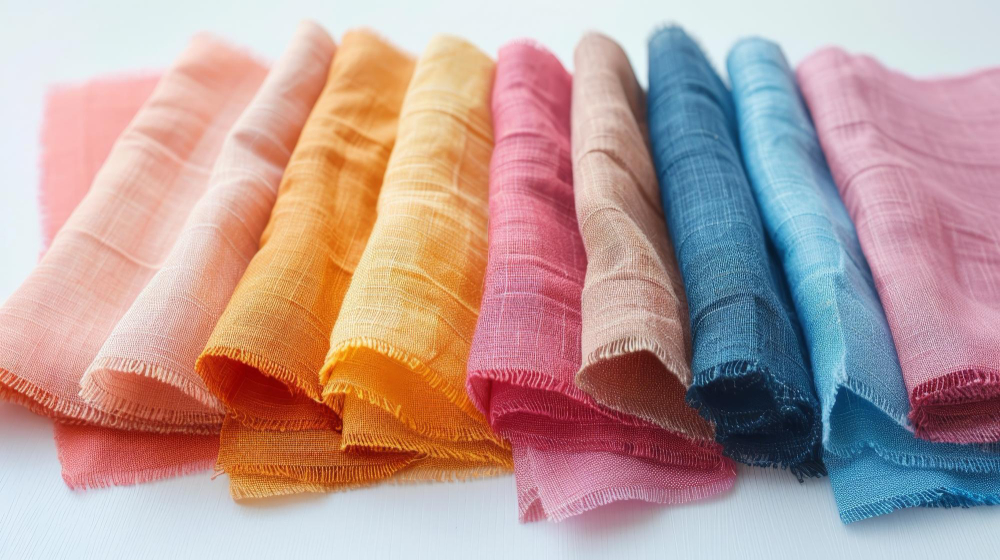
Incorporating linen fabric into a fashion line is a direct and impactful way to build a climate-conscious brand. From its minimal water needs and low carbon footprint during cultivation to its complete biodegradability at the end of its life, linen stands out as a superior sustainable material. Its inherent durability and timeless appeal also promote a move away from the fast-fashion cycle, encouraging consumers to invest in pieces that last.
For designers and brand owners, the path forward involves making deliberate choices. This starts with partnering with a reputable wholesale fabric supplier that can guarantee the sustainable origins of your materials. It extends through the design process, where minimizing waste and creating long-lasting garments must be a priority. Finally, it culminates in transparent marketing that educates consumers on the real environmental benefits of choosing linen.
The demand for sustainable fashion is growing, and brands that take authentic steps to reduce their impact will lead the way. By choosing to work with linen fabric, you are not just selecting a textile; you are making a commitment to a healthier planet and a more responsible industry. Take the next step today by exploring options to buy fabric online and begin building a collection that truly makes a difference.