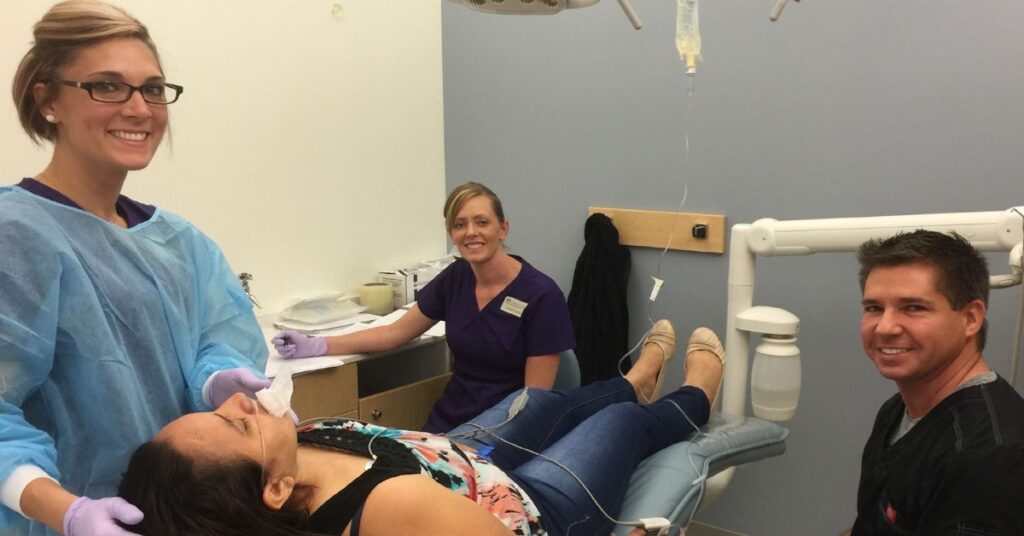

Sedation dentistry offers a range of options designed to suit patients with various levels of anxiety or discomfort. While many individuals tolerate routine checkups without issue, others find the sights, sounds and sensations in a dental office overwhelming.
From mild oral sedatives to deeper intravenous protocols each method provides a tailored approach that enhances comfort and helps patients access the care they need.
Understanding the different sedation choices empowers patients to speak with their dental team about their fears and preferences. With this knowledge in hand it becomes possible to transform dental visits from events to avoid into manageable experiences that support long term oral health and overall wellbeing.
A Clear Path to Anxiety Free Dental Visits
Dental anxiety can prevent people from seeking timely treatment leading to worsening conditions over time. Sedation dentistry clears a path toward calm care by reducing fear responses through targeted medication.
Minimal sedation may involve a pill taken before the appointment while moderate techniques introduce a deeper sense of relaxation. With sedation in place patients feel less aware of the procedure and remain comfortable throughout.
This approach not only benefits the patient but also allows the dental team to work efficiently and accurately without interruption. As more individuals learn of these options the stigma around dental fear continues to fade unveiling a positive journey toward lasting oral health.
Oral Sedation Techniques and Patient Considerations
Oral sedation is a practical choice for many dental needs because it uses familiar medication forms and requires no injections on the day of treatment. A tablet or liquid dose is taken in advance so that by the time the patient arrives in the chair a gentle sense of calm is already established.
Dosages can be adjusted according to the patient’s weight age and anxiety level to ensure the desired effect without over sedation. While recovery may involve lingering drowsiness patients appreciate the convenience of this method and often report little to no memory of the procedure itself.
Open communication about medical history and current medications remains crucial for safe oral sedation.
The Role of Nitrous Oxide in Dental Comfort
Nitrous oxide also known as laughing gas is a fast acting inhaled option that has been used for decades to relieve anxiety and discomfort during dental treatment. Delivered through a small mask, the gas mixture induces a light state of relaxation while preserving full consciousness and protective reflexes.
Once the mask is removed, the effects wear off quickly allowing patients to return to normal activities almost immediately. Because of its excellent safety profile and rapid recovery, nitrous oxide remains a favored choice for those seeking a balance between mild sedation and swift discharge. It is particularly valuable for shorter procedures or for patients who may need to resume daily routines without delay.
Advanced IV Sedation for Deep Relaxation
Intravenous sedation provides the deepest level of sedation commonly used in dental practices outside of hospital settings. By administering sedative medication directly into the bloodstream clinicians achieve rapid onset and precise control over sedation depth.
Patients enter a twilight like state in which they remain responsive yet largely unaware of sensations in the mouth. This option is ideal for lengthy or complex procedures where patient stillness is essential. Continuous monitoring of heart rate blood pressure and oxygen levels safeguards patient safety throughout the visit.
While recovery may require additional time and supervision the profound relaxation achieved makes IV sedation invaluable for those with significant dental fear or special needs.
Ensuring Safety with Proper Certifications
Safety is the cornerstone of any sedation protocol and requires comprehensive training for the dental team. Providers must master airway management and emergency response techniques to handle unexpected events. Many clinicians explore the distinction between ACLS vs BLS to determine which certification best suits their practice model.
Basic Life Support equips teams to manage general medical emergencies while Advanced Cardiac Life Support prepares them for cardiovascular crises. By maintaining up to date certifications in both areas practices uphold rigorous safety standards and reassure patients that their wellbeing is the highest priority.
Lifelong Learning with Live Dental CE Courses
The landscape of sedation dentistry continues to evolve as new medications and monitoring technologies emerge. To stay at the forefront dental professionals engage in live dental CE courses that focus on hands on training and case based learning.
These interactive sessions cover patient selection protocols sedation pharmacology and risk mitigation strategies in depth. Peer discussion of real clinical scenarios enhances problem solving and reinforces best practices. By committing to ongoing education practitioners sharpen their skills and ensure they deliver the safest most comfortable sedation experiences for every patient.
Opportunities for Foreign Trained Practitioners
As demand for sedation services grows the profession benefits from the expertise of international colleagues. Foreign trained dentists considering practice in the United States can research states that allow foreign trained dentists to identify jurisdictions aligned with their credentials.
Requirements may include additional examinations accredited postgraduate training or supervised practice hours. Successfully navigating these pathways expands career prospects and helps practices fill roles with qualified sedation providers. This cross border collaboration ultimately increases patient access to high quality sedation dentistry options.
Preparing for Sedation and Postoperative Care
A successful sedation experience begins with a comprehensive pre sedation evaluation of medical history allergies and current medications. Patients receive clear instructions regarding fasting and transportation to ensure safety and comfort.
On the day of the procedure vital signs are recorded and the sedation plan is reviewed in detail. After treatment patients rest until alertness returns and a responsible adult accompanies them home. Follow up communication from the dental team confirms that recovery is progressing normally and addresses any lingering questions. Thoughtful preparation and aftercare solidify positive patient experiences and foster confidence in future visits.
Frequently Asked Questions
What Are the Main Types of Sedation Dentistry?
Sedation dentistry offers oral sedatives inhaled nitrous oxide and intravenous sedation to address varying levels of anxiety and procedural complexity. Each option balances ease of administration with depth of relaxation and recovery time.
Is Sedation Dentistry Safe for Routine Procedures?
When overseen by providers with current certifications in life support and sedation protocols the risk of sedation dentistry remains very low. Thorough patient evaluations and continuous vital sign monitoring uphold safety at every stage.
How Do I Choose the Right Sedation Option?
Selection depends on factors such as anxiety level medical history and treatment duration. A detailed consultation with the dental team will match patient needs to the appropriate sedation depth.
Can Foreign Trained Dentists Practice Sedation in the US?
Licensing requirements vary by state. Prospective clinicians should consult states that allow foreign trained dentists to understand local pathways to licensure.
How Can Dentists Stay Current on Sedation Techniques?
Participating in live dental CE courses and earning certifications in ACLS vs BLS ensures clinicians maintain best practices and patient safety.
Final Thoughts
Sedation dentistry delivers a spectrum of solutions that transform dental fear into manageable calm. From oral sedatives and nitrous oxide to advanced IV protocols each option fills a unique role in patient care. By investing in rigorous training ongoing education and thoughtful patient preparation dental teams can offer safe comfortable experiences that encourage regular visits and optimal oral health for all.


